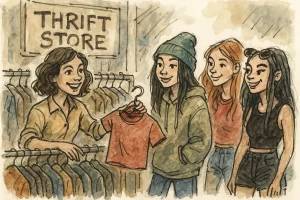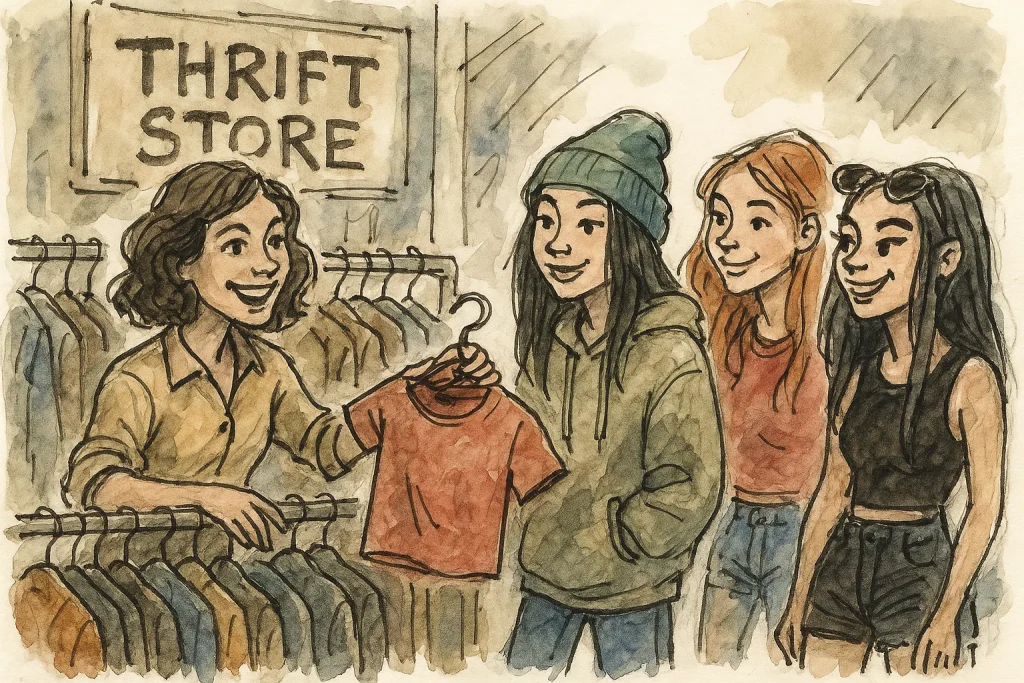
Some businesses are born from the need to innovate – others from the need to rethink. The thrift store is a perfect example of the latter: a model that, at first glance, might seem old-fashioned or limited, but is becoming one of the most promising sectors in the circular economy and conscious consumption movement.
While major brands are still struggling to adapt to the sustainability agenda, thrift stores already operate in full alignment with new consumer demands: sustainability, authenticity, and affordability. More than a place to buy secondhand clothes, the modern thrift store is a space for curation, purpose, and profitability.
Key Takeaways
- The thrift store market is one of the strongest expressions of the circular economy.
- Consumers are increasingly seeking affordable and sustainable fashion.
- The initial investment is low, especially compared to traditional retail.
- There are multiple business models, from physical stores to online platforms and NGO partnerships.
- Curated and concept thrift stores have higher profit margins than conventional ones.
Market Description
The global secondhand clothing market has been expanding rapidly. It is estimated that the secondhand fashion segment will grow up to three times faster than traditional retail in the coming years. This growth is driven by three main factors:
- Environmental awareness: The fashion industry has one of the largest environmental impacts on the planet. Secondhand clothing helps reduce textile waste and the consumption of natural resources.
- Economic accessibility: Thrift stores offer high-quality products at prices far below those of traditional stores.
- Search for authenticity: Unique and vintage pieces have strong appeal among younger and creative consumers.
A great example of positive impact is Humana Portugal, a non-profit organization that collects and resells used clothing, directing profits to social and environmental projects. The company shows how the thrift store model can unite sustainability, purpose, and profitability.
How the Business Works — Step by Step
- Selection and acquisition of items
- Clothing is obtained through donations, consignment, bulk purchases, or partnerships with brands and NGOs.
- Sorting and curation
- Items are evaluated, washed, and categorized by type, brand, condition, and style.
- Pricing
- Prices are defined based on brand, condition, and market value. Curated thrift stores tend to operate with higher margins.
- Sales channels
- Physical (stores, pop-ups, fairs) or digital (Instagram, e-commerce, marketplaces).
- Inventory management and marketing
- Inventory control, high-quality photos, and storytelling about each piece are crucial.
- Content marketing and social media presence increase engagement and sales.
- Customer relationship
- Focus on experience: customers value authenticity, service, and purpose.
- Expansion and differentiation
- Adopt hybrid models (physical + online) and invest in events, workshops, or collaborations with artists and local brands.
Why Invest in This Business?
- Growing market: Circular fashion is a global and irreversible trend.
- Low initial investment: Inventory can come from donations or consignment.
- High profit margins: Used items have low acquisition costs and high resale value.
- Sustainability as a differentiator: Consumers increasingly support purpose-driven businesses.
- Operational flexibility: Start from home, online, or at local fairs.
- Social and environmental impact: The business can create jobs, reduce waste, and support the solidarity economy.
Business Analysis Table
| Criterion | Rating (1 to 5) | Comments |
|---|---|---|
| Customers perceived value | 5 | High perceived value by combining affordability and sustainable purpose. |
| Required Knowledge level | 3 | Requires fashion sense, curation, and basic retail management. |
| Initial Investment level | 2 | Small initial inventory and space are enough to start. |
| Potential profitability | 4 | High margins with potential for premium curation models. |
| Growth potential | 5 | Segment experiencing strong global expansion. |
| Customer acquisition cost | 3 | Organic digital marketing is highly effective. |
| Risk and challenges level | 3 | Requires constant curation and good inventory control. |
| Estimated Time to payback | 6–12 months | Quick return with steady sales flow. |
Business Model Canvas
- Value Proposition: Affordable, sustainable, and authentic fashion with unique, curated pieces.
- Customer Segments: Conscious young consumers, people seeking savings and style, supporters of environmental causes.
- Channels: Physical stores, e-commerce, marketplaces, and social media.
- Customer Relationships: Personalized service, storytelling behind pieces, and social media engagement.
- Revenue Streams: Clothing and accessory sales, consignment, events, and brand collaborations.
- Key Resources: Inventory, curation team, physical/digital space, and strong branding.
- Key Activities: Selection, sorting, pricing, marketing, and customer service.
- Key Partnerships: NGOs, suppliers, e-commerce platforms, and influencers.
- Cost Structure: Inventory, rent (if physical), marketing, logistics, and labor.
Market Entry Strategies
- Start small: Begin with online sales or local pop-up events.
- Define your niche: Vintage, luxury, children’s, sports, or themed thrift store.
- Use storytelling: Share the story of each item and its environmental impact.
- Build a community: Engage customers through workshops and social media.
- Strategic partnerships: Collaborate with NGOs, artists, and local influencers.
- Brand management: Invest in coherent visual identity and authentic communication.
Practical Tips and Tools
- E-commerce platforms: Shopify, WooCommerce, Etsy, or Mercado Shops.
- Inventory management: Airtable, Notion, or simple product tracking tools.
- Digital marketing: Instagram, Pinterest, and TikTok to showcase pieces and stories.
- Photography and design: Canva and Lightroom for consistent, attractive visuals.
- Sustainable operations: Partner with recyclers and use eco-friendly packaging.
Conclusion
Thrift stores have proven that sustainability and profitability can go hand in hand. The sector has evolved from a haven for bargain hunters to a global trend embraced by brands, investors, and conscious entrepreneurs.
Initiatives like Humana Portugal show that social purpose and financial success can coexist, offering a new perspective on consumption. In today’s world, the “new” can indeed be old – as long as it’s well-curated, well-told, and well-positioned.
Call-to-Action
Want to turn purpose into profit?
Start your own thrift store: curate pieces, tell their stories, engage your community, and join the movement redefining the future of fashion – consciously, creatively, and profitably.